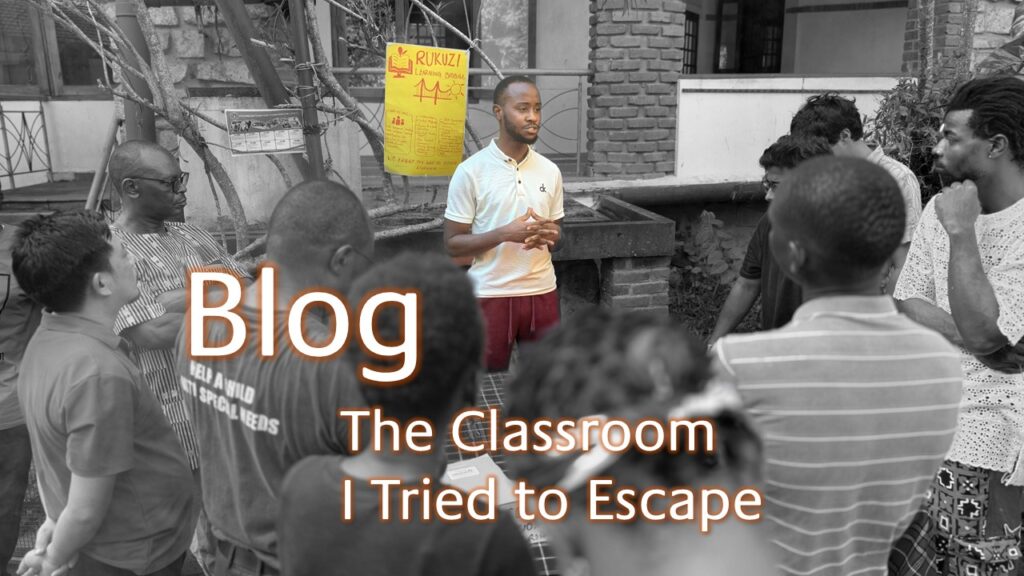
When we began developing our curriculum, a journey in five acts, we first tried to understand the situations in which we learned best.
Just a few days ago, during a session in the auditorium:
“Who loves a good, long phone call with a friend?”
A chorus of approval filled the room.
“And who enjoys calling a potential donor?”
An even louder and very collective, “No!”
Over the years, we have learned that asking participants to raise their hands is rather pointless. We constantly encourage them to react loudly, to disagree, laugh, argue, and think out loud. It creates energy, and it gives me a much better sense of what is happening in the room.
“Wouldn’t you actually prefer meeting a donor face to face?”
“Yes!”
“But think about the advantages of a phone call,” I argued. “You don’t have to worry about body language or gestures. You can concentrate entirely on your voice and on the quality of your pitch. People often listen more carefully. You receive immediate feedback. And, perhaps most importantly, you can wear whatever you like.”
They laughed.
Yet despite all these advantages, one phone call, the one that could change the future of their project, still feels incredibly heavy. It is one of those tasks we postpone, overthink, and quietly hope will somehow disappear, which, of course, makes it the perfect opportunity to push people a little beyond their comfort zone.
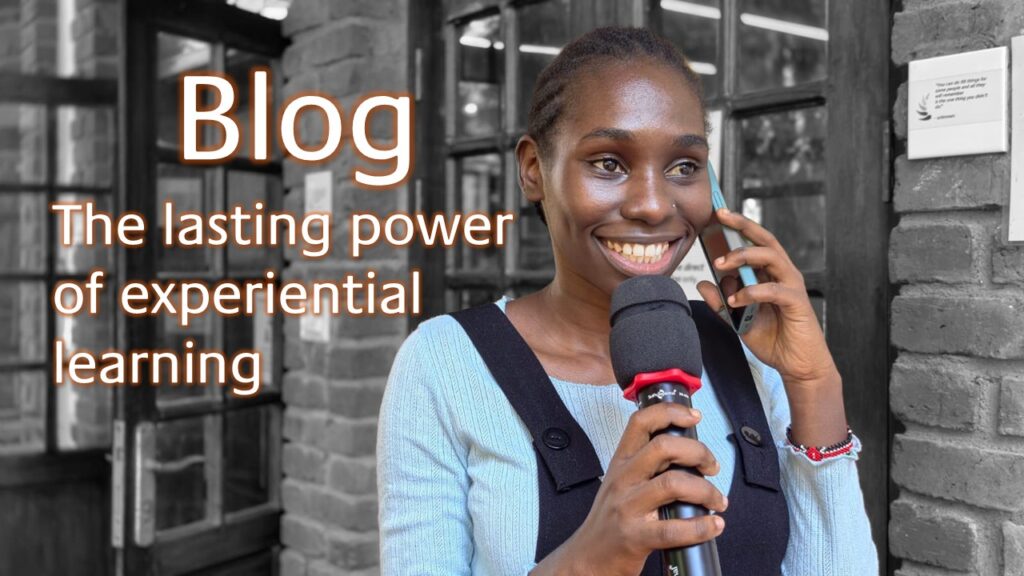
Right on cue, Ravi, our media catalyst, walked into the auditorium carrying my phone.
“There’s a call from Germany,” he announced. “Someone wants to speak to one of the participants to learn more about their project.”
I hesitated. After all, our auditorium is a phone-free zone.
But Ravi insisted.
Although everyone knew this was probably another one of our unexpected learning surprises, something remarkable happened. The relaxed atmosphere vanished within seconds. The room became silent. You could almost feel everyone’s heartbeat accelerating.

One participant, usually among the more confident in the group, later confessed while we were in the lake:
“I was shivering. My mind went completely blank. For a moment I didn’t even know what my own project was anymore.”
That is precisely the moment when learning begins.
The surprise call was only the beginning. Later, participants faced a series of mock phone conversations with increasingly challenging “donors.”
One barely responded, forcing the participant to talk herself into deeper and deeper trouble. Another was impatient and constantly interrupted. The selected participant, who normally appears almost overconfident, started to stutter and even apologized for making the phone call. A third mock donor, a civil servant from the Child Welfare Department, sounded cold and dismissive. And this despite the sparkling charm of the selected participant, who tried everything to lighten the atmosphere, but to no avail.
Finally came the wealthy friend of a friend, a donor who had very little interest in the actual project but was fascinated by taking glamorous Instagram photos. “Oh, I just love those sparkling eyes of children,” the caller enthused. “Let’s organize a photo shoot! We’ll make them famous!”
The participant, normally someone with very clear boundaries, was caught completely off guard. Little by little, she agreed to every suggestion. Without even noticing it, she had traded the dignity and privacy of her beneficiaries for a narcissistic photographer’s social media content.
Afterwards she laughed, partly from relief, partly with embarrassment. “I’m so grateful this happened here and not in real life. Now I know I need to prepare. This will never happen to me again.” That sentence captures the essence of experiential learning.
It is the emotional roller coaster, surprise, adrenaline, confusion, embarrassment, relief, reflection, and finally determination that transforms an exercise into lasting learning. The lessons are no longer theoretical. They become personal.
Of course, creating such a learning environment requires a very special group of participants. People who join kanthari know they are stepping into an intensive year. They should be prepared for moments that challenge them, surprise them, and occasionally leave them speechless. The world they are preparing to work in does not arrive wearing velvet shoes. Running a social or environmental project can be demanding, unpredictable, and unforgiving.
kanthari has adopted experiential learning for most topics.
People rarely change because someone explains something well. They change because they experience something deeply.
Read more blog posts here
Learn more about kanthari TALKS on https://kantharitalks.org/