
Meet the 2026 kanthari course participants
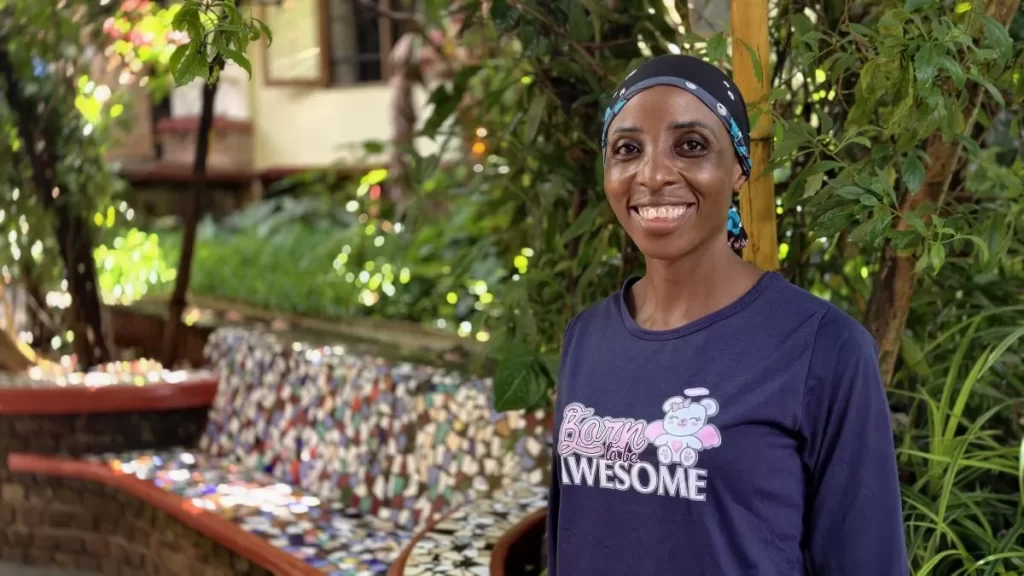
Adbel Nyanzira, 40, Zimbabwe
Empowering abused women economically
At just 17, Adbel was forced into marriage after already navigating childhood health challenges, including eczema and partial hearing loss. When she eventually fled gender-based violence, she returned home only to face five years of stigma, rejection and isolation. In her community, she was treated as a “returned soldier”, an unwelcome woman who had left her marriage.
That experience shaped Adbel’s mission. She is addressing the failures that leave survivors without a safe way to rebuild their lives. Many women return to abusive partners because of destitution, family shame and the absence of transitional shelter; in her context, 60% do so.
With her organization Reroute, Adbel plans to create a pathway out of abuse for survivors who have nowhere safe to go. The programme will offer six to twelve months of transitional housing, trauma healing and livelihood training in skills such as basketry and beading, helping women build an independent income. She also intends to lead community dialogues and work with young boys to challenge harmful attitudes, so that survivors can return home with dignity and celebration rather than shame.
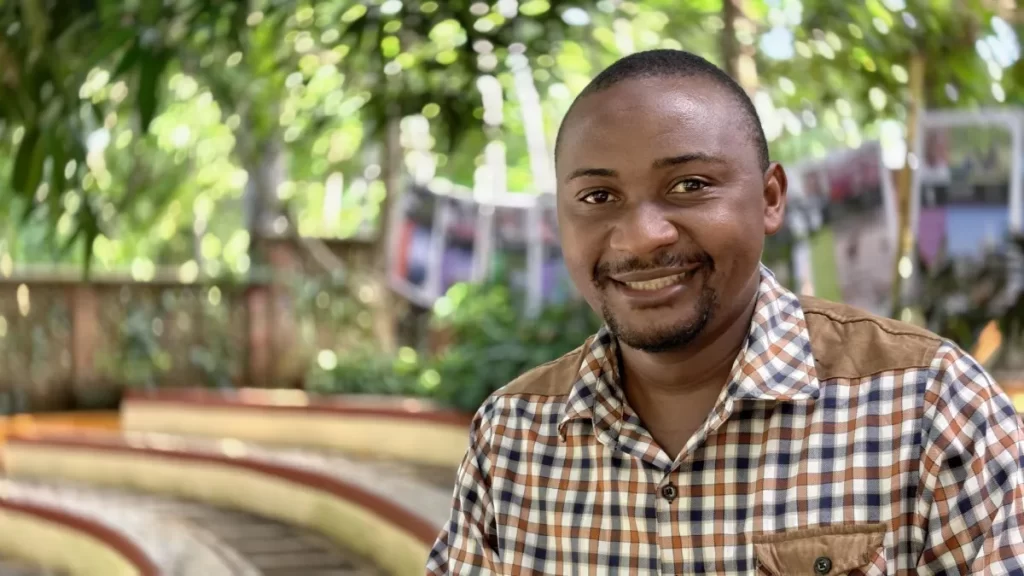
Baluku Mikidadi, 37, Uganda
Building resilient livelihoods
Growing up in Kasese, Uganda, Baluku saw how deeply patriarchal norms limit young women’s independence and decision-making. The issue became painfully personal when his girlfriend’s father forced her to end their relationship because Baluku was poor and came from what he considered a “low” tribe. For Baluku, it revealed how often girls and young women are denied the freedom to make choices about their own lives.
He now focuses on the exceptionally high secondary-school dropout rate among rural girls. An estimated 97.6% do not complete secondary education, often because of pressure to marry early and because conventional schooling does not meet their needs.
Under a large mango tree in rural Kasese, Baluku intends to establish gameSpark, a “school without walls.” Through a five-step game-design curriculum, girls will learn to imagine, create and code board games, card games and escape rooms. By making learning practical and playful, the initiative will build critical thinking, self-confidence, leadership and decision-making skills, enabling girls to take greater control of their futures.
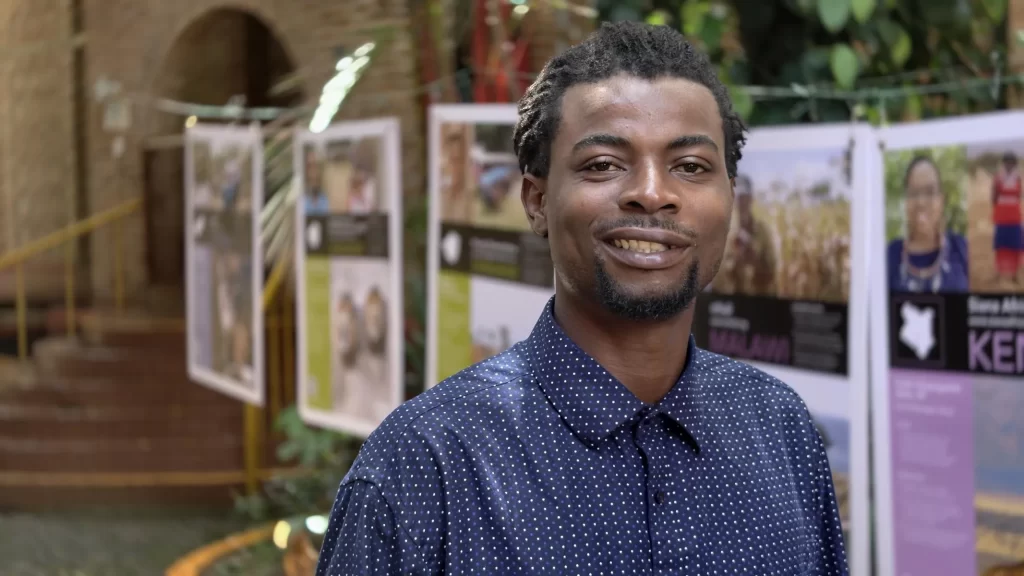
Cedrick Sokou, 31, Ivory Coast
Reintegrating LGBTQ+ youth
Cedrick lived in a deeply homophobic society. Since people define homosexuality as a curse, for him it was abnormal. At 21 ages, he came to accept his sexuality. However, afraid of rejection, he left his family, dropped out of university and struggled with severe financial insecurity while working in restaurants. He later rebuilt his life by co-founding a street-food business, only to face another devastating loss when his partner, Juju, passed away.
Cedrick works with LGBTQI+ youth who face family abandonment, social exclusion and economic vulnerability. Many are pushed into homelessness or sex-work simply because they have nowhere safe to go and no opportunity to earn a dignified income.
Cedrick plans to build hypheN; a holistic training center centered on a social restaurant. A space where LGBTQI+ young people are actors in their psychological healing, social integration and human rights’ commitment. They will benefit from restaurant skills, job and entrepreneurship support. By welcoming the public into the restaurant, hypheN will create everyday encounters that challenge prejudices and promote inclusion. Also, will contribute to stronger sense of belonging and build resilient LGBTQI+ community.
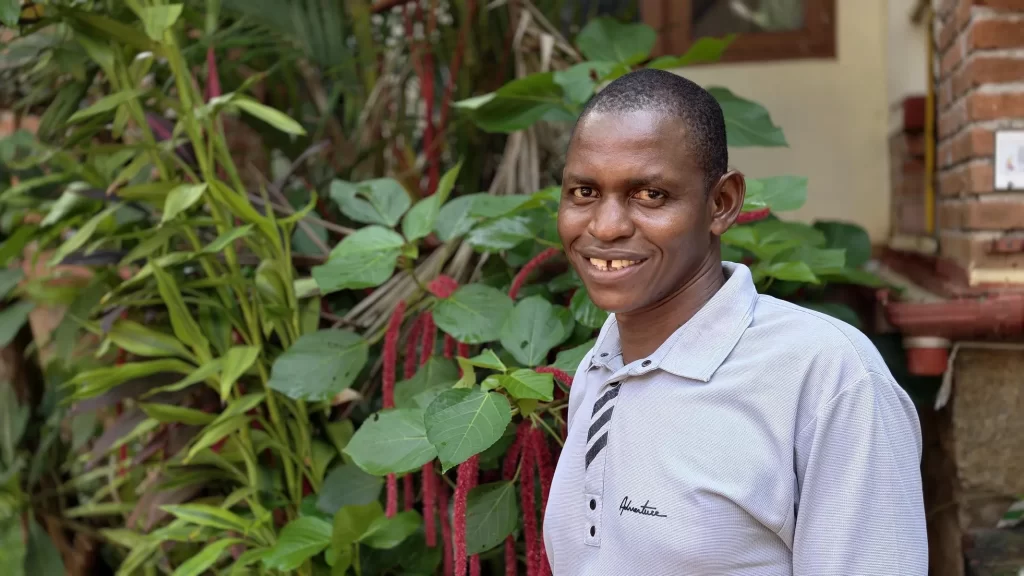
Emmanuel Masha, 44, Kenya
Stabilizing farmer incomes
Emmanuel’s childhood was marked by hardship after his parents’ violent divorce and his father’s imprisonment. Left to care for his siblings amid extreme poverty, he remembers community rejection, sleeping on earthen floors, getting seriously ill after eating non-edible cassava roots out of hunger and often leaving relief food distribution centers with empty baskets after day-long waits.
These experiences gave Emmanuel a lifelong determination to fight rural hunger. His work focuses on Coastal Kenya’s collapsing cashew sector, where more than 61,000 farming households remain trapped in poverty because farmers receive only 13% of the final market value of their cashew.
To revive the cashew sector, Emmanuel will launch Mkoroshoni Enterprise Development Center.
The initiative will organize annual village cashew festivals to restore farmers’ confidence, connect growers directly with processors to raise raw-nut prices towards $1 per kilogram, promote community level cashew value addition and establish learning farms. These farms will teach climate-resilient and ecological soil-management practices intended to strengthen yields, incomes and long-term food security.
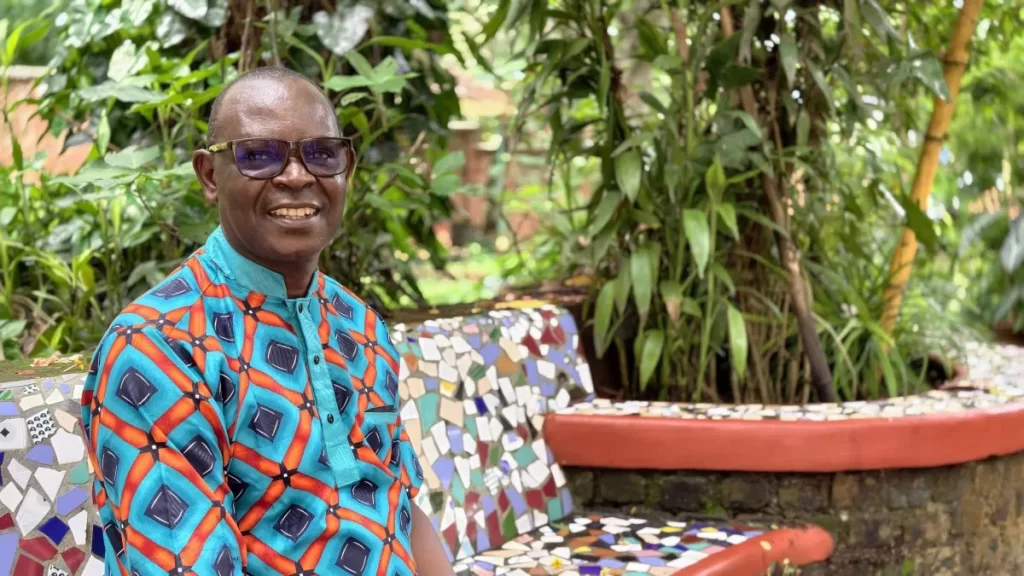
Evariste Bizimana, 59, Rwanda
Healing community trauma
Bizimana Evariste lived through the devastation of the 1994 Genocide against the Tutsi in Rwanda. He witnessed immense loss, displacement and suffering in his community, and he understands personally how long and difficult recovery can be after conflict.
Today, Evariste works to address the unhealed post-traumatic stress disorder and intergenerational trauma that continue to affect Rwandan communities. These unresolved wounds can lead to depression, domestic conflict and social isolation.
Evariste’s organization SALUTARIS proposes community-based mental-health and psychosocial-support model will combine accessible mental-health education and family therapy with Rwanda’s cultural traditions. Through folklore, traditional drumming, dance, poetry and storytelling, he aims to create safe spaces where people can process traumatic memories, reduce stigma, rebuild trust and learn peaceful ways to resolve conflict. The initiative is designed to support individual healing while restoring collective well-being across communities.
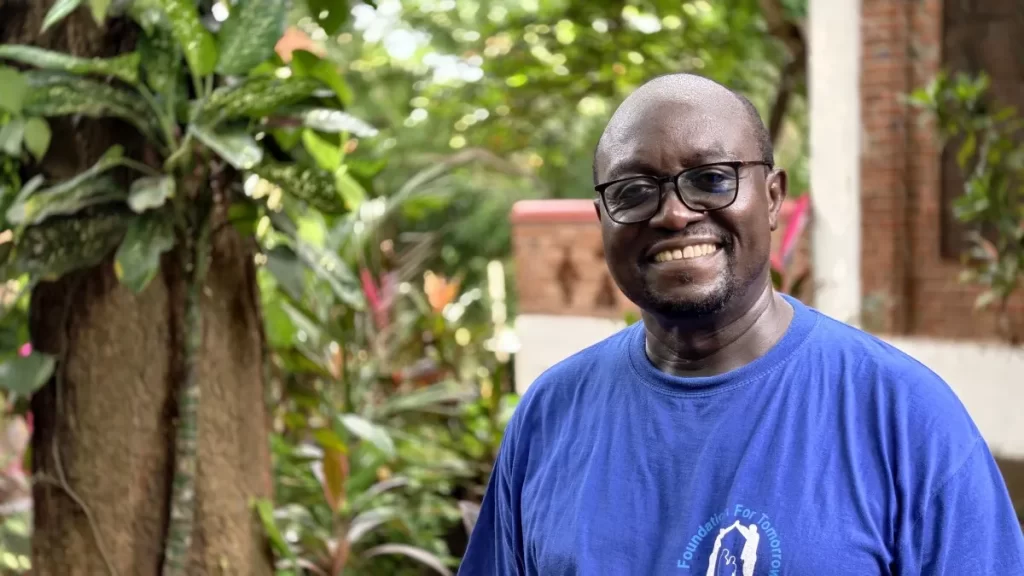
George Kakala, 60, Kenya
Supporting disabled children
George Kakala’s life changed when his second son, Kevin, was diagnosed with cerebral palsy. The diagnosis brought years of medical uncertainty and financial strain. When his wife left under the pressure, George became a single father raising three children while confronting inaccessible environments and persistent community stigma.
His experience revealed the barriers facing many Kenyan families raising children with developmental disabilities. Long distances to clinics, costly transport and caregiver exhaustion often prevent children from receiving continuous therapy.
George plans to develop the Integrated Home and Community-Based Rehabilitation (IHCBR) model through his Foundation for Tomorrow. Rather than requiring low-income families to make repeated hospital visits, the programme will bring rehabilitation support into their homes. Parents, volunteers and Community Health Promoters will be trained in practical therapy, caregiver coaching and home adaptations, enabling families to support their children’s mobility, independence and daily participation.
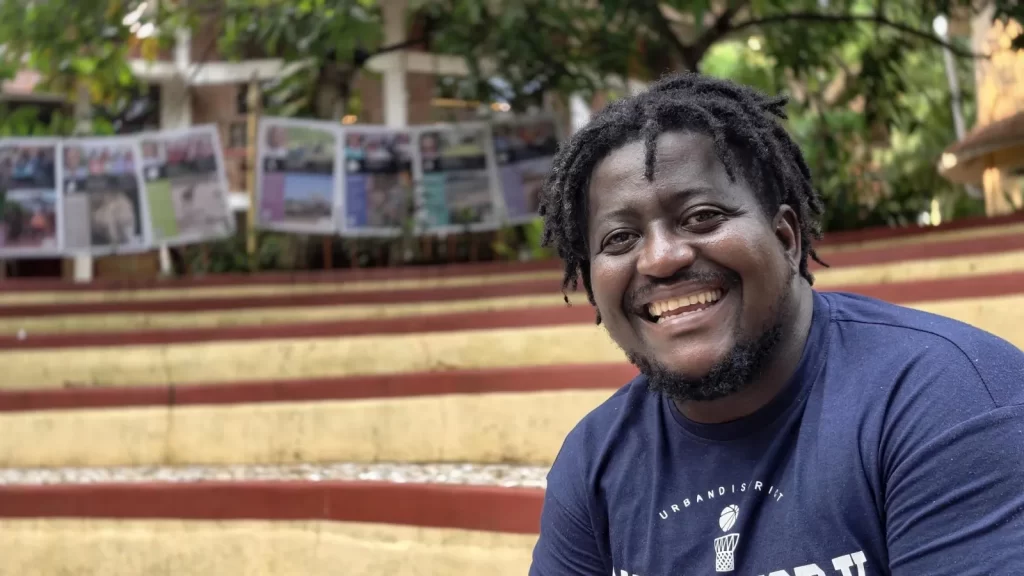
Guerschom Slam, 36, Congo
Poetry Slam as a tool for free expression
Guerschom grew up under a 40-year authoritarian dictatorship in the Republic of the Congo. He experienced civil war at the age of seven and later encountered political violence directly as a youth activist and slam poet. He survived teargas attacks and police shootings, while military intimidation of his family and surveillance by secret police eventually forced him into hiding.
He now challenges the shrinking civic space, human-rights violations and state impunity that silence people in Congo-Brazzaville.
A mobile Media Truck will be at the heart of Guerschom’s planned Essaimage—or “Swarm”—artivism programme. Equipped with a pop-up recording studio and stage, it will travel to remote communities to record victim testimonies, host live dialogues and produce podcasts. In ten-week artivism labs, young musicians, slammers and activists will learn how to turn local grievances into powerful artistic movements for justice.
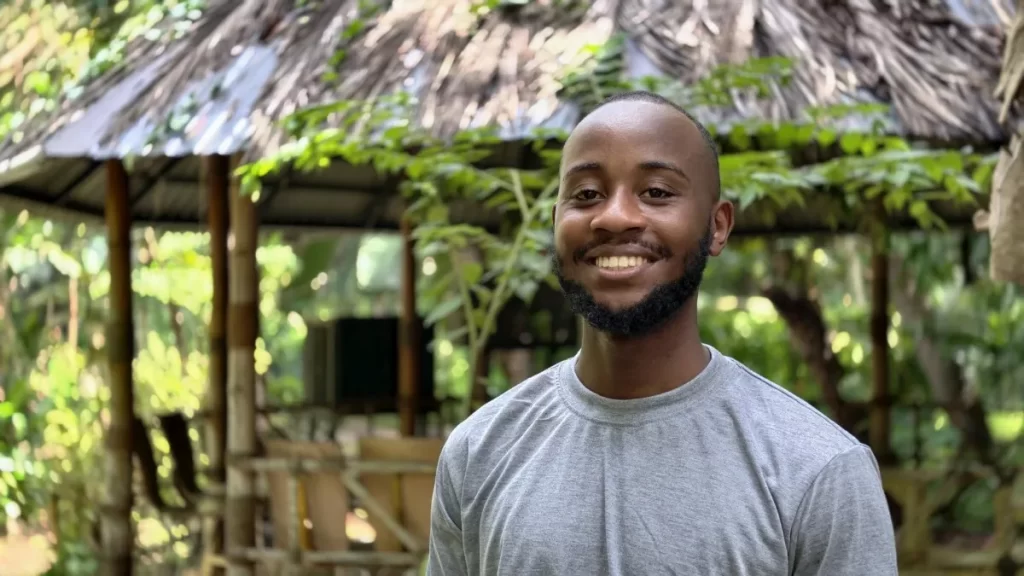
Ian Mugabi, 26, Uganda
Expanding digital education access
Ian grew up in rural Kagadi, Uganda, watching his single mother work tirelessly as a schoolteacher while coaching neighbourhood children late into the night to support her six children. When Ian became a teacher, he encountered classrooms of up to 90 learners and saw how traditional rote learning allowed quieter students to disappear unnoticed.
He is responding to the gap between Uganda’s ambitious Competency-Based Curriculum and the realities of rural classrooms. Many teachers have limited training and still depend on chalk-and-talk lessons and memorise-and-repeat examinations.
Ian intends to introduce the Rukuzi Learning Bridge, a three-week professional-development programme for rural educators. It will begin with “Changing Seats,” in which an 11-year-old child guides teachers through hands-on problem-solving and invites them to experience learning from a student’s perspective. With peer mentoring, practical tools and interactive lesson design, the programme will help teachers create more inclusive, engaging and learner-centred classrooms.
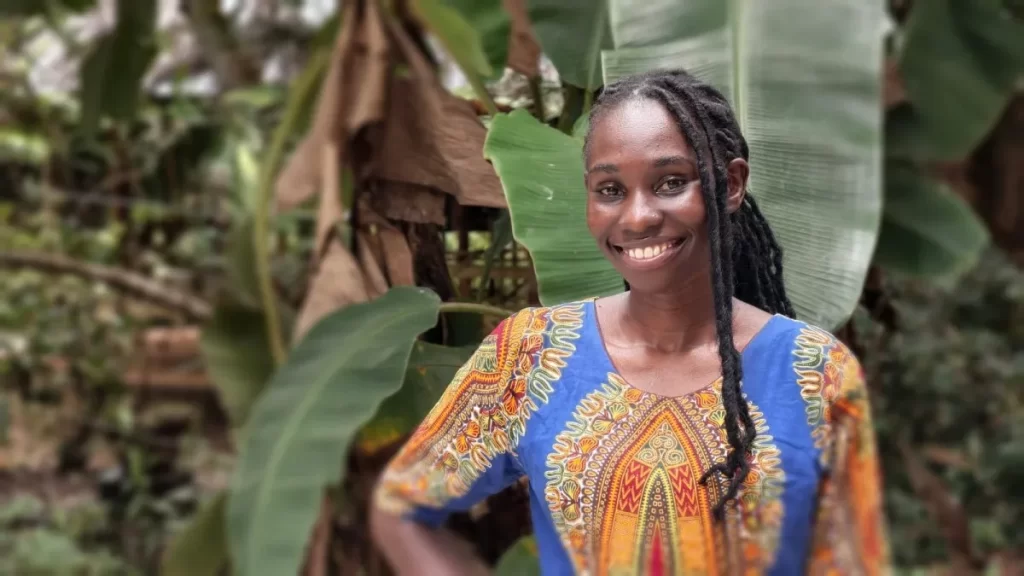
Leah Oginga, 27, Kenya
Keeping children in school
Witnessing how social and cultural expectations influence young people’s choices, Leah began asking: what happens when gender expectations, rather than ability, limit a young person’s future?
In rural Kenya, many young people are discouraged from choosing vocational careers that do not fit traditional gender roles. Boys interested in hairdressing, hospitality or fashion, and girls interested in construction, mechanics or electrical work, may face resistance. As a result, their talents and ambitions can be ignored, limiting their access to skills, work and income.
In rural Oyugis, Leah plans to listen to young people, understand their goals and identify the social and practical barriers that keep them from vocational training. The programme will challenge gender stereotypes and connect young people with training, practical work experience, mentors and local opportunities.
A peer-support and mentorship network, with regular follow-up, will offer ongoing encouragement and learning. By reducing these barriers, the programme aims to help rural youth build skills, confidence, connections and sustainable ways to earn a living, so they can choose their future based on their abilities and interests, not their gender.
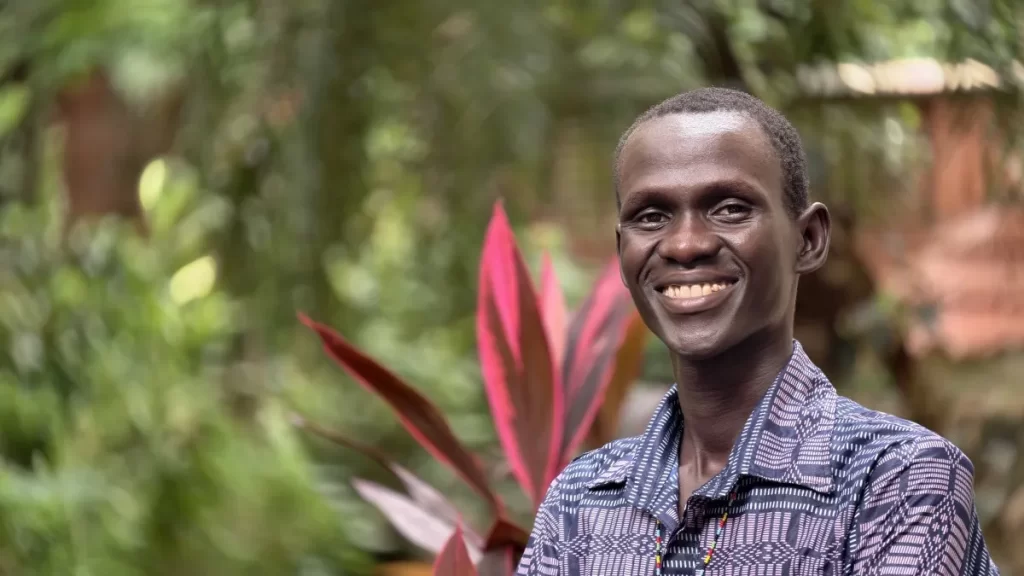
Leon Likali, 27, South Sudan
Transforming waste into livelihoods
Born in Kakuma Refugee Camp during the Sudanese civil war, Mark Leon Peter Likali moved to Juba as a child. When his family lost support, they fell into extreme poverty. At the age of 11, he collected discarded plastic bottles on the streets to buy food. A severe traffic accident later left him unconscious for three hours and hospitalised for two months.
Education helped him rebuild his life, and his experiences now drive his work with street-connected children and unemployed young people in Juba. He is particularly concerned about children who collect waste in dangerous dumpsites and about young people who lack routes into meaningful work.
Mark Leon Peter Likali aims to develop Tanina and the Wasaka Innovation Center into pathways out of street work and unemployment for young people in Juba. The initiative will recognise waste collectors as dignified “Resource Managers,” provide scholarships to help children leave the streets, and run a six-month green-business incubator. Participants will learn to transform plastic, glass and organic waste into marketable eco-friendly products and enterprises.
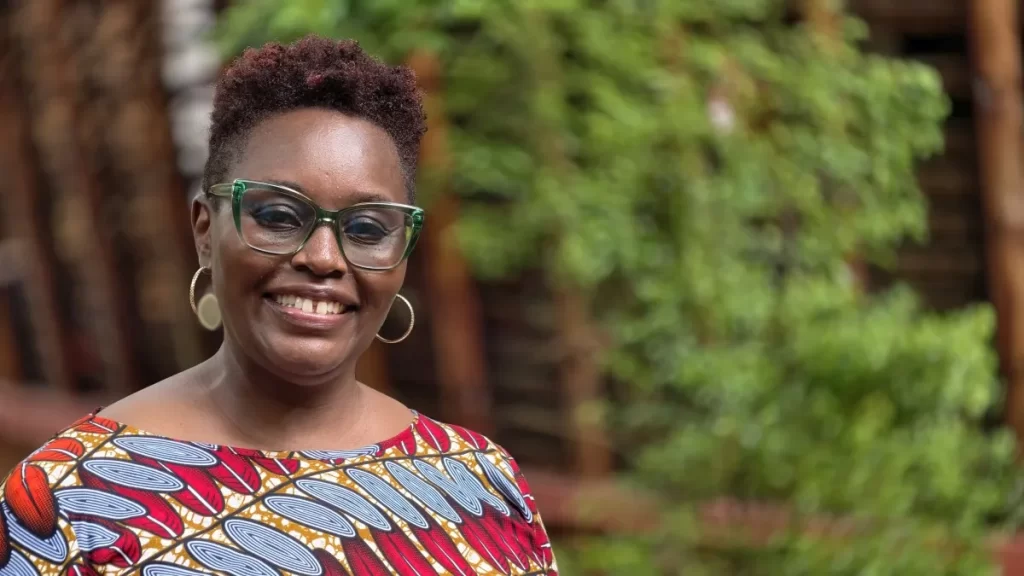
Njoki Kiarie, 52, Kenya
Supporting prisoners’ families
Josephine’s life changed overnight when her husband was suddenly arrested. She became a single mother and the family’s sole breadwinner, while navigating four years of legal uncertainty, financial pressure and social stigma. As a lawyer, the experience renewed her commitment to justice.
She now addresses the often-overlooked needs of families affected by incarceration, as well as unconvicted remand prisoners in Kenya. These families may face deep poverty, school dropout among children and limited access to affordable legal representation.
With Unschackled for Life Africa, Josephine plans to create a holistic support system for justice-impacted families. The organisation will connect indigent remand prisoners with volunteer pro-bono lawyers who can help move stalled court cases forward. It will also provide trauma counselling, educational bursaries to help children stay in school, and business starter packages for ex-convicts, enabling families to break cycles of poverty and rebuild their lives with dignity.
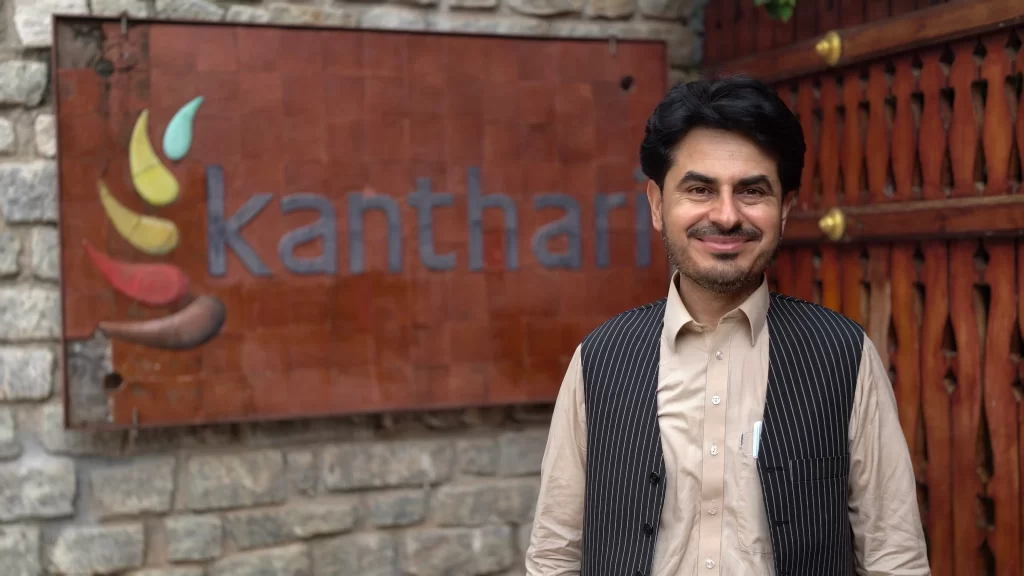
Miraj Mirajudin, 35 , Afghanistan
Supporting livelihood creation
Miraj is a journalism graduate from Afghanistan whose work has taken him across civil society, media and community development. Through these experiences, he has seen how vulnerable groups are often excluded from the learning, skills training and livelihood opportunities needed to build secure and independent lives.
He is particularly concerned about people who have limited access to education, practical training and pathways to income. Without these opportunities, many individuals and families remain unable to develop the knowledge, confidence and resources needed to improve their circumstances.
To respond to this challenge, Mirajudin plans to establish community-based learning and empowerment initiatives. These initiatives will focus on education, digital skills, vocational training and income generation, creating practical and accessible opportunities for vulnerable groups to learn, strengthen their capabilities and work towards sustainable livelihoods.
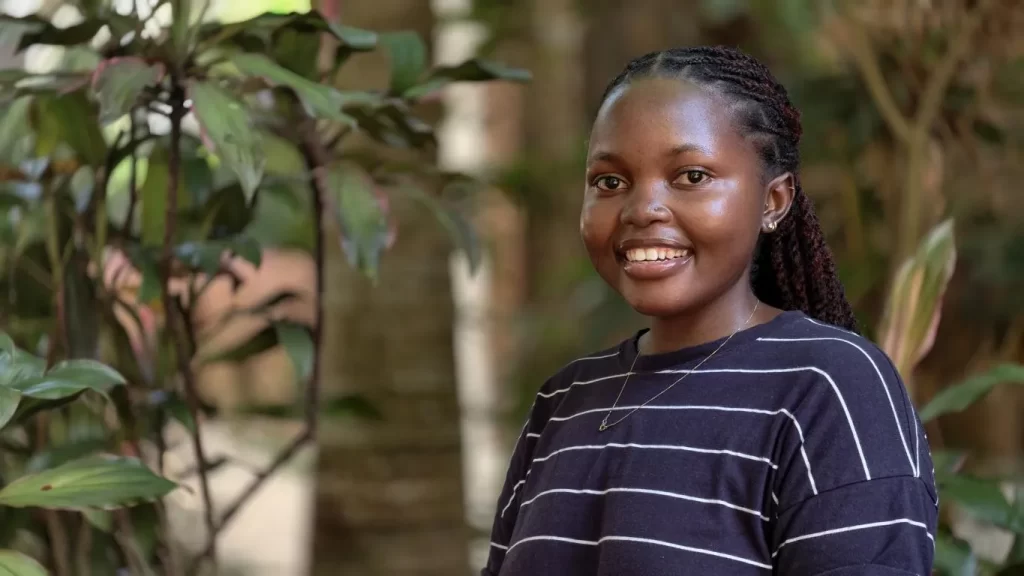
Patience Naggayi, 27, Uganda
Supporting maternal recovery
Patience’s life changed after she experienced severe pregnancy complications in Kampala, Uganda. She delivered her son prematurely while isolated from support and lost him when he was just six weeks old. In the depths of her grief, she recognised how overstretched health systems can leave women to endure pregnancy, birth, recovery and infant loss alone.
She now addresses the lack of emotional, physical and practical support available to pregnant women and new mothers. Too often, postpartum recovery is treated as a private burden rather than a shared community responsibility.
Patience envisions Muzukulu as a community-driven maternal-recovery sanctuary. It will form local “MamaCircles,” where experienced mothers, known as “Mama Bears”, and Village Health Teams will offer household support, health monitoring and peer comfort. The initiative will also involve fathers as active caregivers and provide specialised healthcare and sanctuary rest to mothers requiring additional support.
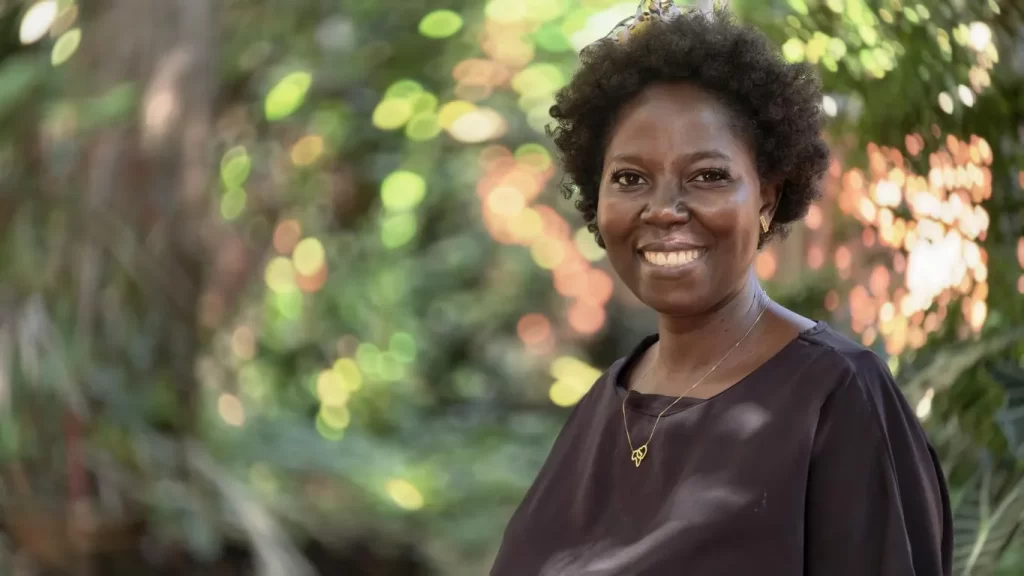
Primrose Julius, 40, Zimbabwe
Caring for vulnerable elderly
Primrose was orphaned at the age of seven in rural Headlands, Zimbabwe, and raised by her grandparents. When both grandparents later died from untreated chronic illnesses because accessible rural healthcare was unavailable, 11-year-old Primrose became the head of a child-headed household. She took on agricultural piecework to feed her siblings.
Her early losses shaped a lifelong commitment to people who are too often left behind: rural older people and orphaned children. She later worked as a housemaid and volunteered in an elderly home, turning her grief into purpose.
Through Vakweguri Elderly Care, Primrose plans to build intergenerational campus communities in Headlands. Each campus will bring together an elderly-care home and a children’s home, allowing abandoned seniors and orphaned children to live safely alongside one another. By sharing meals, gardening, storytelling and cultural traditions, they will build dignity, belonging and mutual care across generations.
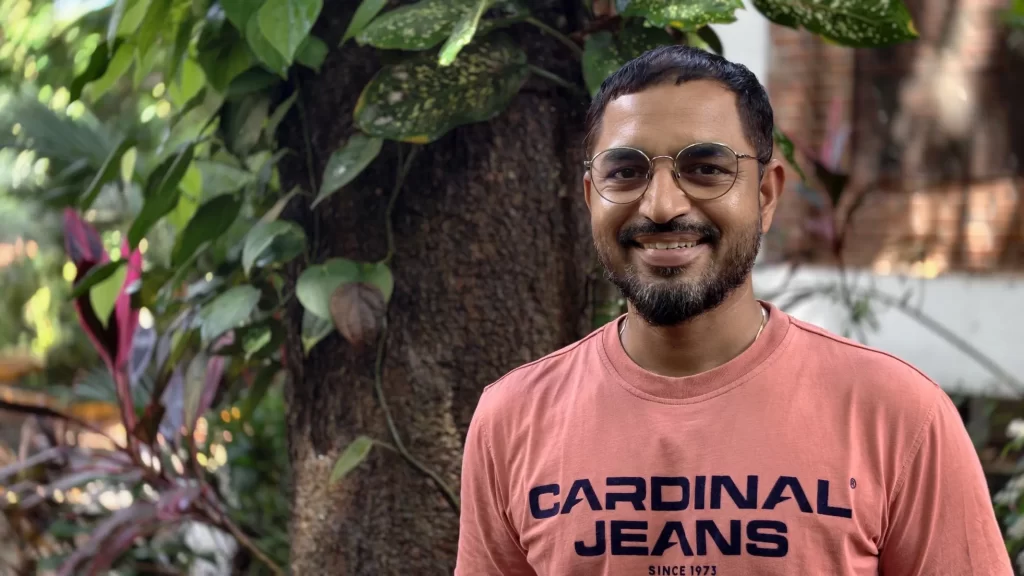
Rajesh Boddu, 43, India
Creating healing spaces
Rajesh spent two decades building an international career in IT and data analytics, consulting for global enterprises across Finland and Singapore. When profound personal upheavals stripped away the identity he had carefully built, they also brought unexpected clarity, and he stepped away from the corporate track.
While volunteering on rainforest-restoration projects in Malaysia, he reconnected with nature and found a new direction. Applying his core skill of diagnosing fragmented, broken systems, he turned his attention to the climate crisis, working to address ecological degradation, deforestation and climate instability. He recognized that conventional manual reforestation alone cannot restore damaged landscapes at the scale required.
His organization, the Eastern Ghats Regeneration Alliance (EGRA), will be an experiential learning center offering residential training in precision drone aerial seeding. Participants will learn to use industrial seed by-products wrapped in bio-fertilizer pellets to help restore degraded landscapes, alongside practical permaculture-farming methods. EGRA’s proposed urban-greening program will also engage students in planting vine canopies, nurturing environmental stewardship and helping reduce urban heat islands.
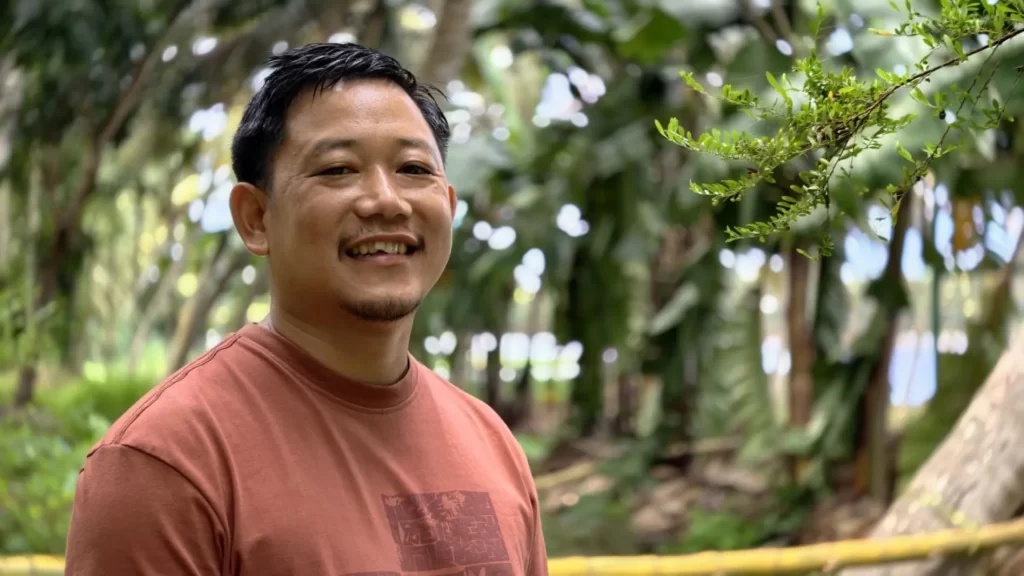
Sethok Tinnyan, 31, India
Educating rural youth
Born in Arunachal Pradesh, Sethok grew up in a family displaced from their ancestral village of Noglo. A childhood accident cost him the opportunity to attend a prestigious school. Later, a local leader denied him admission by falsely claiming that he was “not eligible,” while favouring a wealthy family instead.
Despite these setbacks, Sethok earned a first postgraduate degree in Master of Social Work from Ollo community. He now works to address the profound educational neglect in remote border villages, where government schools often stand shuttered and children are left without basic literacy or prospects for the future.
Sethok plans to start the Shumhak Foundation to launch Project Shumhak in Noglo. The project will transform abandoned village schools into vibrant, eco-friendly learning centres offering bilingual education in English and Ollo. It will also provide access to distance learning through NIOS and IGNOU, clean water, meals and practical vocational mentorship, so that young people in remote border communities can access education and opportunity.
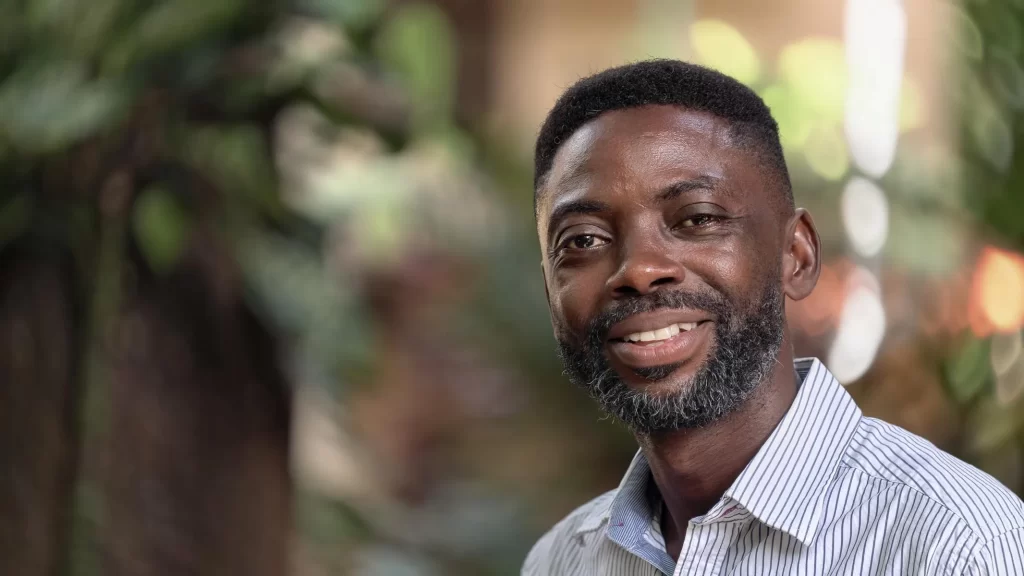
Simon Elive, 42, Cameroon
Training vulnerable youth
Orphaned as a teenager in rural Cameroon, Simon spent four difficult years living on the streets. He endured hunger and extreme cold, and his best friend was killed during a violent fight. Determined to change his own path, Simon returned to school with support from an uncle, worked in construction and eventually qualified as a Pharmacy Assistant.
He later left a stable corporate job to work with street-connected children in South-West Cameroon. These young people face hunger, violence, drug abuse and the risk of recruitment into armed groups.
Simon intends to establish Nginyafrica as a residential transformation space for street-connected youth. Guided by the “3S Model”, Snack to Skill, Speak to Heal and Sow to Grow, the programme will combine culinary micro-enterprise training, trauma counselling, fine arts and urban gardening. It will support young people to heal from their experiences, develop practical skills and find pathways back to family life or formal education.
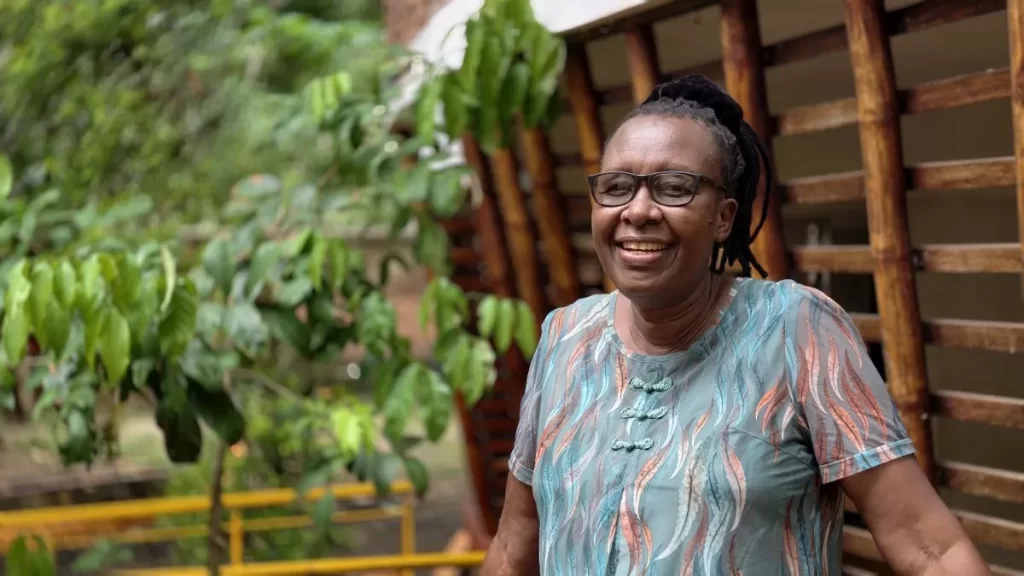
Susan Adina, 56, Kenya
Protecting women and girls
Susan Adina grew up in rural Kenya carrying the shame associated with her father’s alcoholism. Later, she endured 12 years of severe domestic violence from her former husband. She later escaped to a Nairobi slum with her 3 children who almost became street children.
Susan drew on resilience to complete two master’s degrees and become a counselling psychologist.
Today, she addresses gender-based violence and trauma affecting vulnerable women and girls in rural Bungoma County.
Under Destiny Impact CBO, Susan plans to launch “The Shield”, a non-residential program for women and girls affected by domestic violence and rape. The program will combine self defense skills, trauma counselling, life-skills education and rapid legal and medical referrals to help survivors heal, strengthen their safety and rebuild their lives.
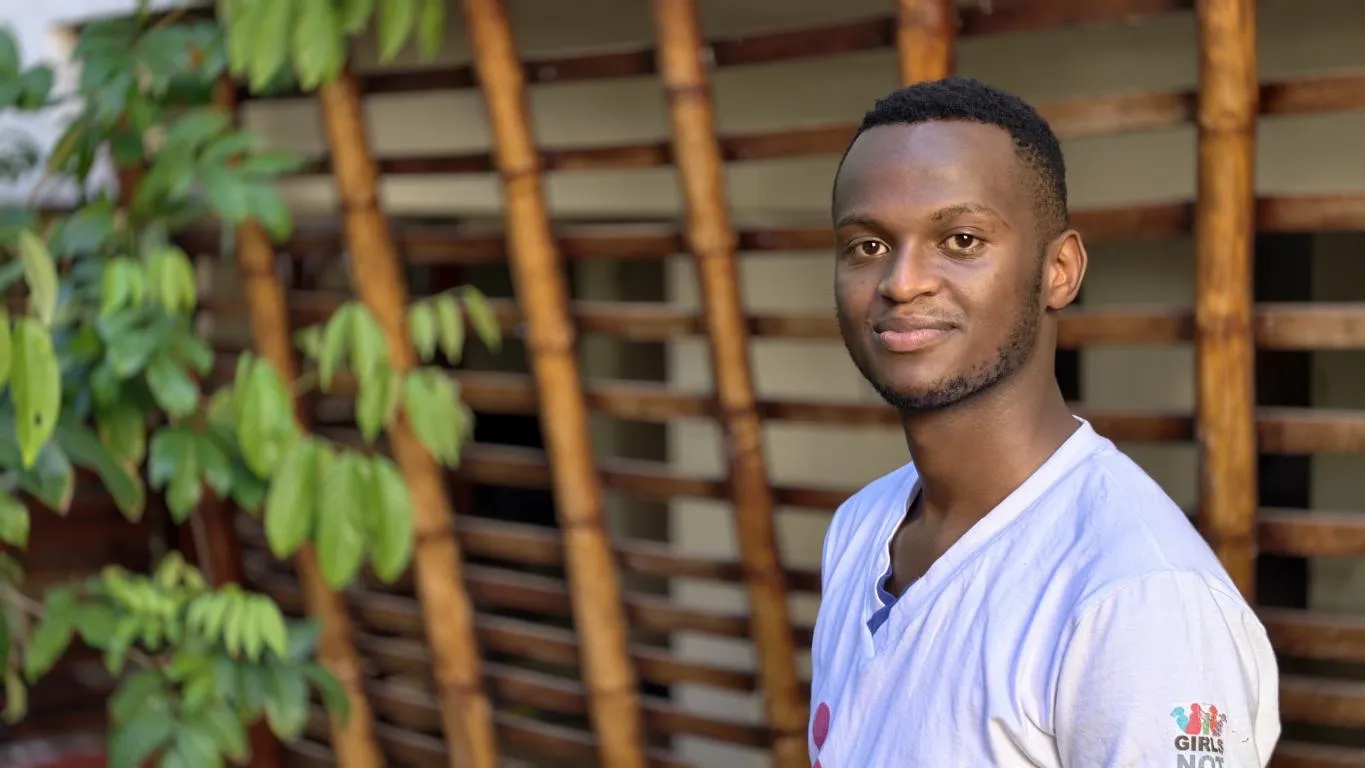
Thomas Isagara, 30, Uganda
Securing women’s land rights
When Thomas was 14, he watched his grandmother being evicted from the coffee farm she had cultivated for 40 years. Under customary law, she had no recognised right to the land because she was a woman. She died in a small, rented room, with what Thomas describes as a broken spirit.
That loss sparked his lifelong commitment to women’s land rights. He now tackles the insecurity faced by widows and daughters in Uganda’s Tooro Kingdom, where discriminatory customs and male-dominated clan leadership can leave women vulnerable to eviction.
Working through Enyanja Y’Obusinge, meaning “Lake of Peace,” Thomas plans to advance women’s land rights within Tooro Kingdom’s customary-governance system. His initiative will work to reform discriminatory inheritance rules, train young clan leaders through the Tooro Clans Mentorship Programme, and support the issuing of official Certificates of Customary Ownership bearing women’s names. These certificates will help women secure permanent recognition of their rights to land.
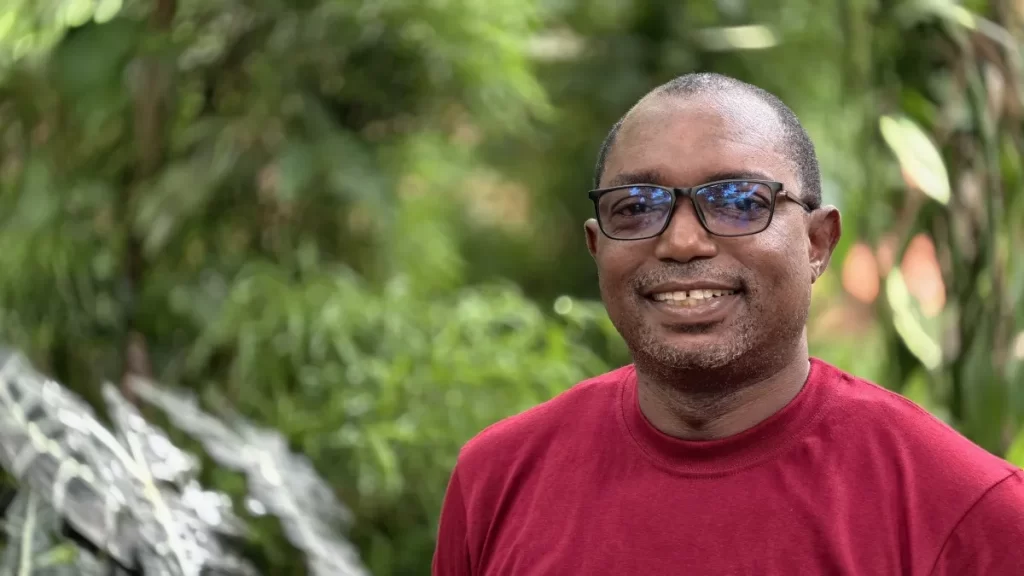
Yahaya Yusuf, 47, Nigeria
Promoting sustainable farming
Yahaya was 17 when his father died suddenly. His family fell into poverty, and he watched his widowed mother work relentlessly on degraded farmland to educate her four children. Seeing her use chicken droppings to restore crop yields gave him an early lesson in the potential of sustainable agriculture.
He now works with smallholder women farmers in Gombe State, where degraded soils, expensive chemical fertilisers and climate vulnerability lead to low yields and persistent poverty.
Yahaya will establish Project BEGE (hope) to support smallholder women farmers in Gombe State through a 12-month “CHANGE” pathway. The project will train women as “Farmer Champions” in soil-regenerative practices, including organic composting and intercropping. It will also strengthen their ability to analyse public agricultural budgets, advocate for their needs and aggregate crops through cooperatives—helping them restore soil health, reduce input costs and pursue fairer market prices.